A professional floor sanding and finishing job is a significant investment — one that, with the right care, can last 10–15 years before needing to be redone. But what you do (and don't do) between professional sandings has a huge impact on how long your floors stay looking great.
Here's the guide to keeping your hardwood floors in top condition.
Daily and Weekly Habits That Make a Difference
Sweep or Vacuum Regularly
Grit and fine particles act like sandpaper on timber floors, scratching the protective coating every time someone walks over them. Sweep or vacuum with a soft-bristle attachment at least twice a week in high-traffic areas. This single habit has more impact on floor longevity than almost anything else.
Use the Right Cleaning Products
Never use steam mops on hardwood floors — the heat and moisture will cause the timber to swell and the finish to peel. Use only pH-neutral, hardwood-specific floor cleaners. Avoid harsh chemicals, vinegar, or anything abrasive. Less is more — a lightly dampened microfibre mop is all most floors need for regular cleaning.
Wipe Up Spills Immediately
Water is hardwood's biggest enemy. Even with a quality protective coating, standing water can penetrate micro-gaps in the floor and cause swelling, staining, and warping. Wipe up spills as soon as they happen — never leave liquid sitting on timber flooring.
Protecting Your Floors from Damage
Use Quality Felt Pads on All Furniture
Replace hard plastic or rubber feet on chairs, tables, and sofas with quality felt pads. Check and replace these every 6–12 months as they wear down and attract grit. In Auckland rental properties and busy family homes, this is one of the most cost-effective ways to prevent scratches.
Use Rugs in High-Traffic Areas
Entrance areas, hallways, and living rooms benefit from quality rugs that protect the floor beneath. Use rug underlay to prevent slipping and to protect the floor from dye transfer.
Control Indoor Humidity
Auckland's variable humidity causes timber to expand and contract. Maintaining a consistent indoor humidity level between 40–60% using heating and ventilation helps prevent gapping and cupping over time.
When to Call the Professionals
Surface scratches in the coating (not into the timber itself) can often be buffed out and re-coated without a full sand. offers screen-and-recoat services that restore the protective layer at a fraction of the cost of a full sand — ideal for floors that are looking dull but aren't deeply scratched.
Want to get the most from your timber floors? Get a free quote at specialist flooring team or call 0800 452 102 — we'll advise on the best maintenance plan for your floors.
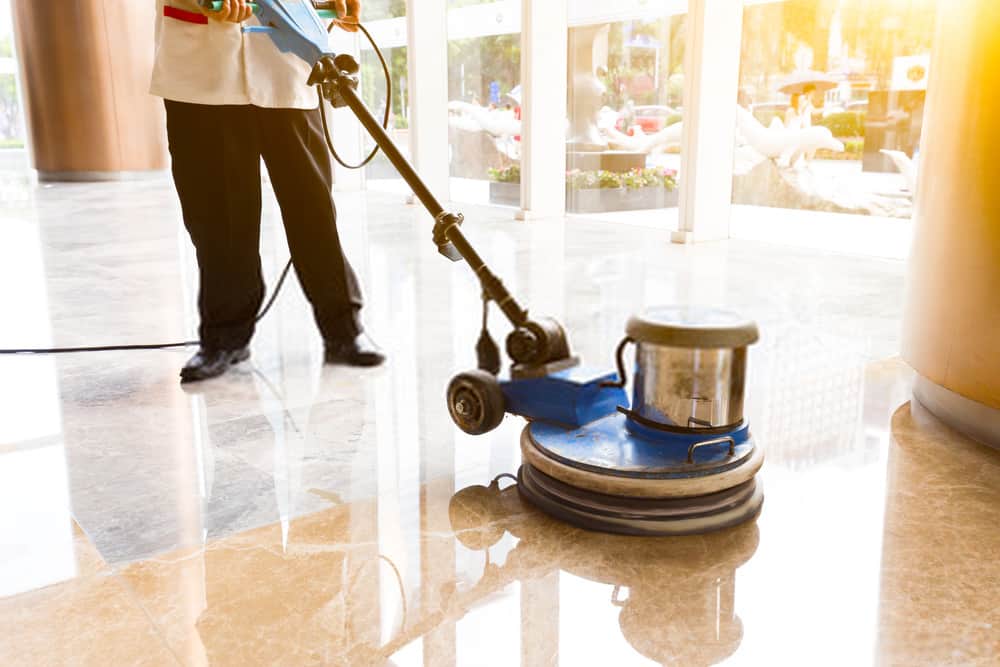
Assess before polishing.
The right result starts by identifying the floor, coating and wear pattern before selecting machinery or products.
Before you book
How often should vinyl floors be professionally polished?
The right interval depends on traffic, existing coating and maintenance. Many residential floors are assessed around every 12–18 months; busy commercial areas may need attention sooner.
Can every dull vinyl floor be polished?
Not always. We first assess the floor type and condition. Some surfaces need deep cleaning, some need stripping and recoating, and damaged flooring may require a different remedy.
Where is the current service area?
Current booking support through this site is focused on Auckland. Legacy regional pages remain available for URL continuity but do not represent active regional promises.