Start with evidence, not assumptions.
Blind type, finish, hardware and mechanism condition determine whether cleaning can proceed without causing damage.
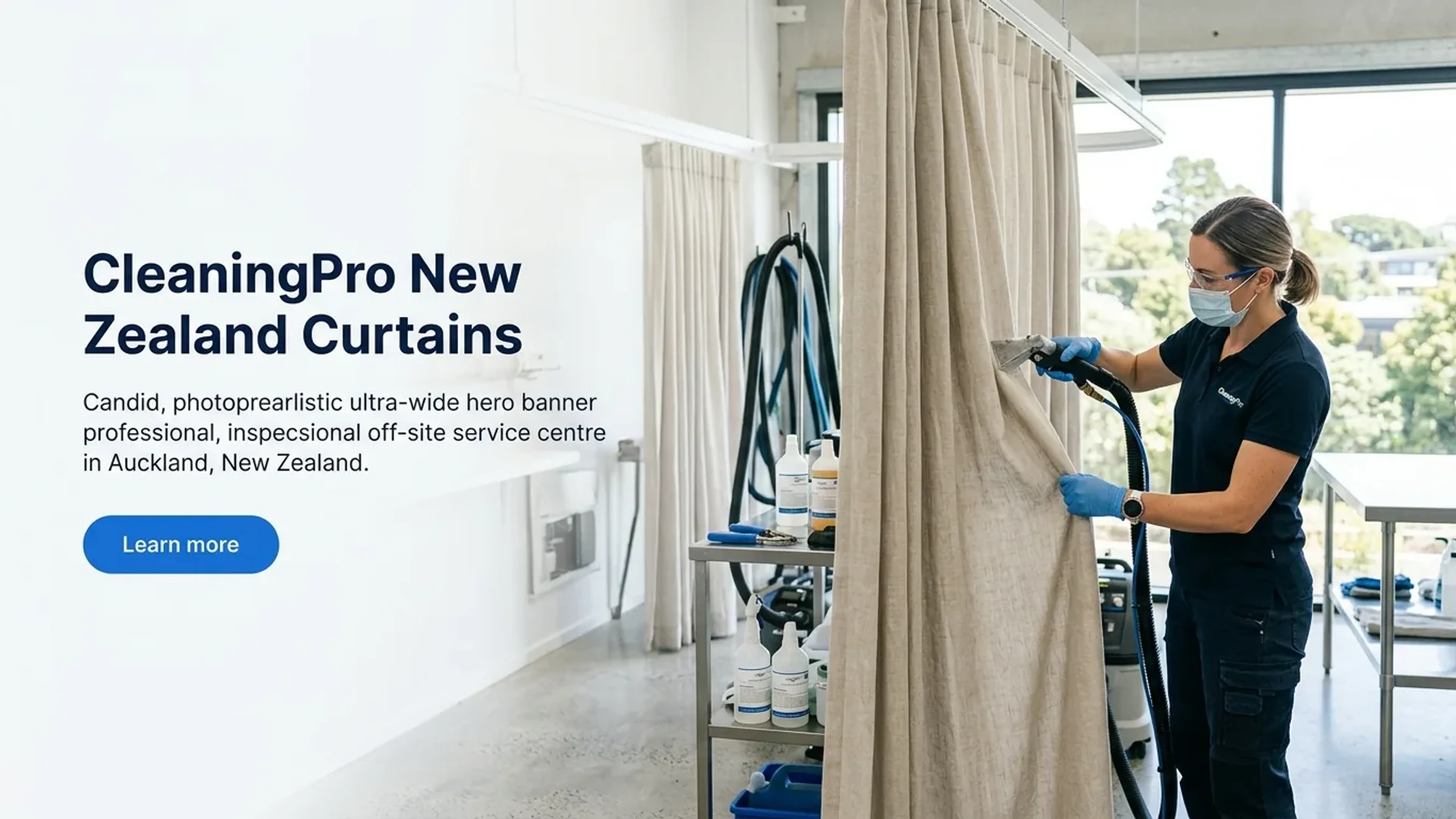
Record the condition
Blind type, finish, hardware and mechanism condition determine whether cleaning can proceed without causing damage.
Choose the pathway
Cleaning suits stable blinds with serviceable finishes. Broken cords, bent tracks and failing coatings should be repaired rather than treated as soil.. Method and exclusions are confirmed after assessment.
Check completion
Readiness, drying or finish quality must be checked against the agreed scope rather than assumed from appearance.
Preparation and limitations
Clear the window area, identify automation or sensors and avoid forcing a jammed mechanism before assessment. Let components dry before closing tightly, dust lightly between services and control condensation.. Clear access, identify fragile adjoining finishes and disclose prior coatings, chemicals, leaks or repairs.
Hidden defects can change the scope after removal, testing or initial preparation. A quote must distinguish inspection findings, included work, exclusions and the next trade handoff.
Questions about blind cleaning
When is blind cleaning appropriate?
Cleaning suits stable blinds with serviceable finishes. Broken cords, bent tracks and failing coatings should be repaired rather than treated as soil. The reliable next step depends on the site condition and a written scope.
What should be checked before work starts?
Before work starts, Clear the window area, identify automation or sensors and avoid forcing a jammed mechanism before assessment. After service, Let components dry before closing tightly, dust lightly between services and control condensation.
Can the final method be confirmed from photos alone?
Photos help with triage, but moisture, bond, contamination, depth or movement may require on-site testing before a reliable scope is issued.